


Master Effective Pain Relief Techniques with Pain Management Techniques

Living with pain can feel overwhelming. Whether it’s from an injury, chronic condition, or everyday strain, pain can limit your ability to enjoy life fully. The good news? You can take control. By learning and applying effective pain management techniques, you can reduce discomfort and regain your active lifestyle. This guide will walk you through practical, easy-to-follow strategies that help you manage pain safely and effectively.
Understanding Pain Management Techniques
Pain management techniques are methods designed to reduce or control pain. They range from simple lifestyle changes to specialized therapies. The goal is to improve your quality of life by minimizing pain’s impact on your daily activities.
Here are some common types of pain management techniques:
Physical methods: Exercise, stretching, massage, and heat or cold therapy.
Mind-body approaches: Meditation, deep breathing, and relaxation techniques.
Medical interventions: Over-the-counter medications, prescribed drugs, or physical therapy.
Lifestyle adjustments: Proper sleep, nutrition, and stress management.
Each person’s pain is unique, so it’s important to find the combination of techniques that works best for you. You don’t have to rely on medication alone. Many people find relief through natural and non-invasive methods.

Practical Pain Relief Techniques You Can Start Today
You don’t need special equipment or a lot of time to begin managing your pain better. Here are some straightforward techniques you can try right now:
1. Gentle Movement and Exercise
Staying active is one of the best ways to reduce pain, especially for conditions like arthritis or back pain. Gentle exercises such as walking, swimming, or yoga help keep your muscles strong and flexible. Movement also releases endorphins, your body’s natural painkillers.
Start with 10-15 minutes a day.
Focus on low-impact activities.
Gradually increase intensity as you feel comfortable.
2. Heat and Cold Therapy
Applying heat or cold to painful areas can provide quick relief.
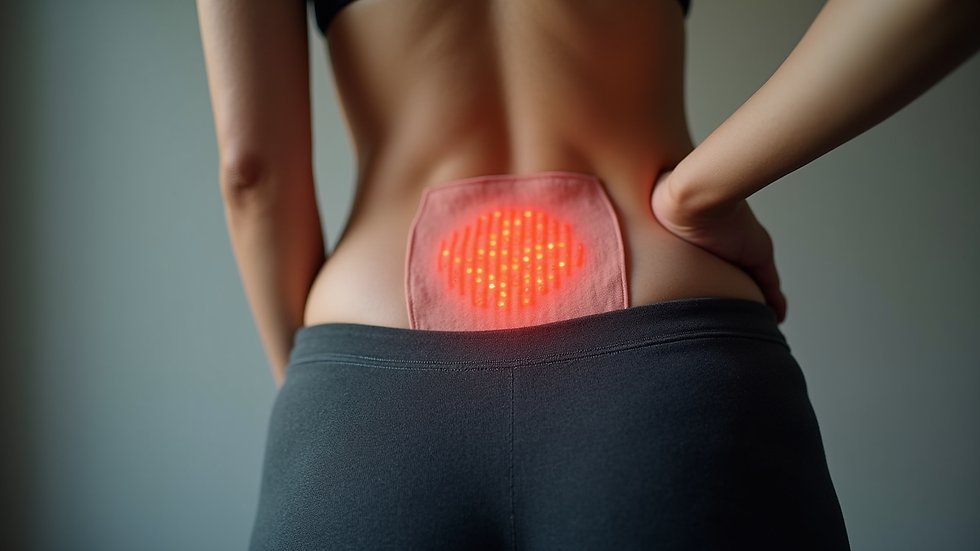
Use a warm towel or heating pad to relax tight muscles.
Apply an ice pack wrapped in a cloth to reduce inflammation and numb sharp pain.
Alternate between heat and cold for best results.
3. Mindfulness and Relaxation
Pain often worsens when you’re stressed or anxious. Mindfulness meditation and deep breathing exercises can calm your nervous system and reduce pain perception.
Try guided meditation apps or simple breathing exercises.
Practice for 5-10 minutes daily.
Focus on your breath and let go of tension.
4. Proper Posture and Ergonomics
Poor posture can increase strain and pain, especially if you sit for long periods. Adjust your workspace and daily habits to support your body.
Sit with your back straight and feet flat on the floor.
Use chairs with good lumbar support.
Take breaks to stand and stretch every hour.
5. Nutrition and Hydration
Eating a balanced diet rich in anti-inflammatory foods can help reduce pain caused by inflammation.
Include fruits, vegetables, whole grains, and lean proteins.
Avoid processed foods and excessive sugar.
Drink plenty of water throughout the day.
How to Incorporate Pain Management Techniques into Your Routine
Consistency is key when it comes to managing pain. Here’s how you can build these techniques into your daily life:
Set realistic goals: Start small and gradually increase your activity level.
Create a schedule: Dedicate specific times for exercise, relaxation, and self-care.
Track your progress: Keep a pain journal to note what works and what doesn’t.
Seek support: Connect with professionals or support groups for guidance and motivation.
Remember, managing pain is a journey. Celebrate small victories and be patient with yourself.
When to Seek Professional Help
While many pain relief techniques can be done at home, some situations require professional support. If your pain is severe, persistent, or worsening, it’s important to consult a healthcare provider. They can help diagnose the cause and recommend appropriate treatments.
Physical therapists, chiropractors, and personal trainers specializing in pain management can offer personalized programs. These experts can teach you how to move safely, strengthen weak areas, and avoid further injury.
If you want to master pain relief strategies, working with a knowledgeable trainer or therapist can make a big difference. They tailor techniques to your needs and help you stay motivated.
Embracing a Pain-Free, Active Life
Pain doesn’t have to control your life. By using effective pain management techniques, you can reduce discomfort and enjoy more freedom in your daily activities. Start with simple steps like gentle exercise, heat or cold therapy, and mindfulness. Build these habits gradually and seek professional guidance when needed.
Your body is capable of healing and adapting. With patience and the right approach, you can reclaim your active lifestyle and feel better every day. Take the first step today toward mastering pain relief and living life on your terms.


Comments